First-time visitors to Mauritius are often surprised by how different the island feels once they leave the resort. The beaches are real, the food is exceptional, and the people are genuinely warm — but getting around independently, handling money, and understanding local customs takes preparation that most travel guides skip entirely.
Table of Contents
- Getting Your Bearings — the Island Is Bigger Than It Looks
- Transport in Mauritius — Your Real Options
- Money, Cards, and the Rupee
- Language and Communication
- Weather Windows and What They Actually Mean
- Food, Water, and Eating Out Safely
- Cultural Etiquette Nobody Mentions
- Safety — What to Watch Out For
- Connectivity — SIM Cards and Wi-Fi
- Packing — What First-Timers Always Forget
- Frequently Asked Questions
Getting Your Bearings — the Island Is Bigger Than It Looks
Mauritius looks compact on a map — roughly 65 kilometres north to south and 45 kilometres east to west — but first-timers consistently underestimate how long it takes to travel between regions. There are no motorways in the European sense. The main roads linking Port Louis to Mahébourg or Grand Baie to Flic en Flac wind through town centres, school zones, and markets, and a 40-kilometre journey can easily take over an hour during morning or afternoon peak traffic.
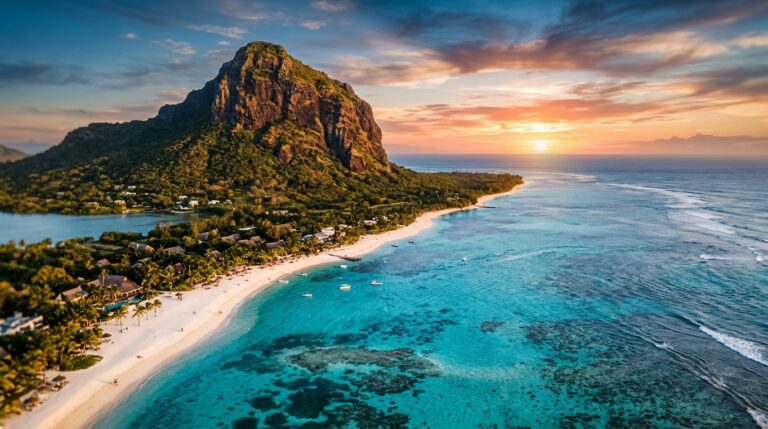
The island is divided into districts, and knowing which district your hotel, activity, or restaurant falls in will save you a lot of confusion. The north (Grand Baie, Pereybère, Trou aux Biches) is the tourist hub with the liveliest beach strip. The west (Flic en Flac, Le Morne, Tamarin) is favoured by divers and surfers. The east coast (Belle Mare, Palmar, Mahébourg) offers quieter lagoons and the closest beaches to the international airport. The south (Souillac, Blue Bay, Chamarel) holds some of the island’s most dramatic inland scenery.
Port Louis, the capital, sits on the north-west coast. It is a working city — not a resort town — and visiting it independently for the Central Market, waterfront restaurants, and the Caudan Waterfront is well worth a half-day trip.
How Far Is Anything from the Airport?
Sir Seewoosagur Ramgoolam International Airport (SSR) is in the south-east, near Mahébourg. Here are approximate driving times under normal traffic:
| Destination | Distance from SSR | Typical Drive Time |
|---|---|---|
| Grand Baie | 55 km | 60–75 minutes |
| Port Louis | 43 km | 45–55 minutes |
| Flic en Flac | 55 km | 60–70 minutes |
| Le Morne | 48 km | 50–65 minutes |
| Belle Mare | 18 km | 20–30 minutes |
| Mahébourg town | 8 km | 15 minutes |
If you land late or have an early flight, plan your transfer time generously.
Transport in Mauritius — Your Real Options
This is the section most travel blogs gloss over, and it is the one that will most affect the quality of your holiday.
Buses
Mauritius has an extensive public bus network that is genuinely cheap — fares rarely exceed Rs 30 to Rs 50 for most routes. The downside is that buses are slow, stop frequently, and do not always reach resort areas or isolated beaches directly. For budget travellers with time to spare, buses between major towns are a reasonable option. For anyone with luggage, children, or a schedule to keep, they are rarely practical.
Taxis
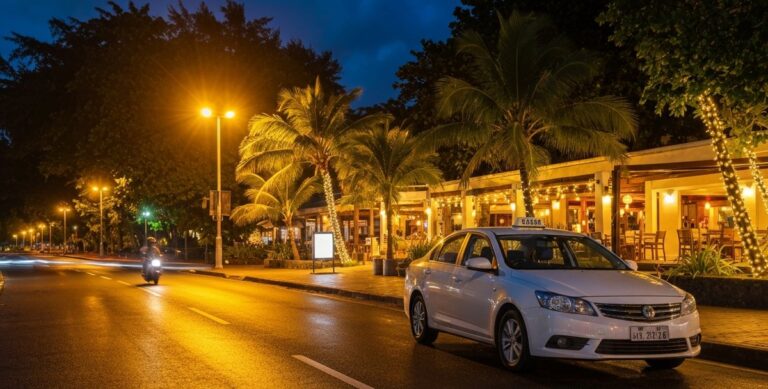
Traditional taxis in Mauritius are not metered. Prices are negotiated before you get in, which can feel uncomfortable if you are new to the island and unsure of fair rates. Standard short hops within a town (say, Grand Baie centre to a nearby beach) might run Rs 200–400. Airport transfers typically range from Rs 1,200 to Rs 2,000 depending on destination. Always agree on the price before you move.
Private Driver Services and App Booking
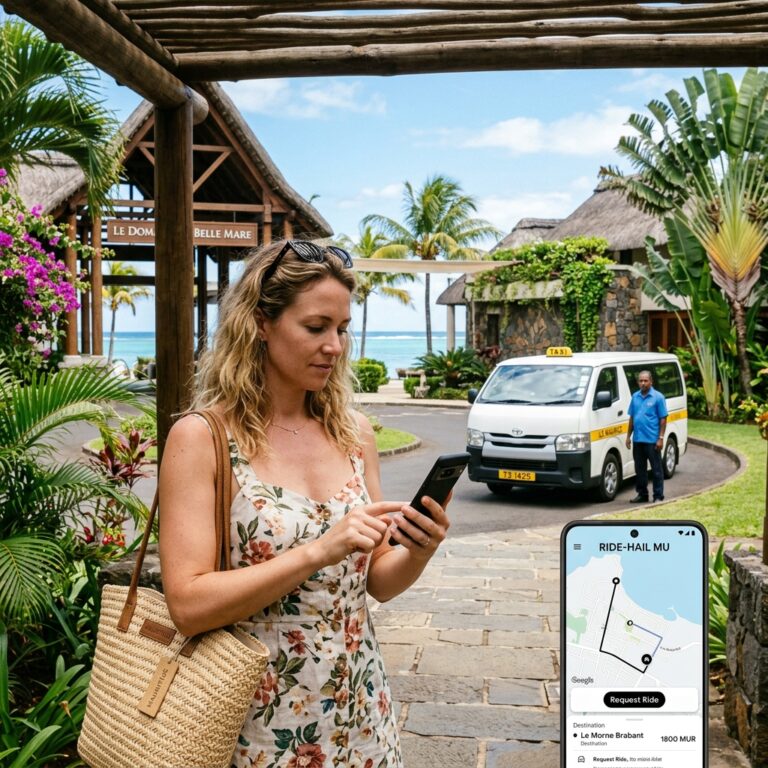
The most comfortable and reliable option for most visitors is a pre-booked private driver or transfer. Mauritianrides.com operates island-wide, connecting you with verified local drivers who know the roads and can give you honest advice on the way. Prices are transparent upfront — no haggling at the kerb after a long-haul flight. For airport arrivals especially, having someone waiting with your name on a board removes one of the most stressful parts of landing somewhere new.
Rental Cars
Driving in Mauritius is on the left — the same as the UK — which makes it accessible for British visitors. International licences are accepted. Roads are generally well maintained, though signage can be inconsistent in rural areas and roundabouts in Port Louis require confidence. Fuel costs and daily rental rates vary, but you should budget Rs 1,800–3,000 per day for a basic automatic from a reputable agency.
Rental is worth it if you plan to explore independently across multiple days. For single-day excursions or airport runs, a pre-booked transfer through a platform like Mauritianrides.com tends to be cheaper and less stressful than factoring in parking, fuel, and navigation.
Money, Cards, and the Rupee
The Mauritian Rupee (Rs or MUR) is the local currency. As of 2025, the exchange rate hovers around Rs 47–52 to £1 GBP, though you should check current rates before travel.
ATMs and Card Acceptance
ATMs are widely available in towns and shopping centres. Most dispense up to Rs 10,000–15,000 per transaction. Cards (Visa and Mastercard) are accepted at most hotels, larger restaurants, and tourist-facing shops, but many local market stalls, bus stations, and small eateries are cash only.
Bring a mix of cash and card. Withdraw rupees on arrival at the airport ATM (there are several in the arrivals hall) rather than exchanging currency at your home airport, where rates are almost always worse.
Tipping
Tipping is appreciated but not obligatory. In restaurants, 10–15% is a genuine gesture of thanks if service has been good. For drivers who help with luggage, a tip of Rs 100–200 is customary. At resorts, check whether a service charge is already included in your bill before tipping on top.
Duty-Free and Shopping
The Caudan Waterfront in Port Louis and Bagatelle Mall near Moka are the main shopping centres with international brands. For local crafts, model ships, and spices, the Central Market in Port Louis and Grand Baie Bazaar are far better value than hotel gift shops.
Language and Communication
Mauritius is genuinely multilingual. The official language is English, French is widely used in business and media, and Mauritian Creole (Morisyen) is the everyday spoken language. In practice, this means:
- Hotel and restaurant staff will speak English comfortably.
- Taxi drivers, market vendors, and bus station staff are far more likely to speak French or Creole as a first language.
- A few words of French go a long way — “bonjour”, “merci”, “combien” (how much), and “s’il vous plaît” are all you need to open conversations on a warm footing.
- Signs are typically in both English and French, but in rural areas you may find Creole only.
Nobody will be rude to you for not speaking French, but attempting a few words is noticed and appreciated.
Weather Windows and What They Actually Mean
Mauritius has two broad seasons. The hot and wet summer runs roughly from November to April, with temperatures reaching 30–33°C and periodic cyclone risk from January to March. The cooler, drier winter runs from May to October, with temperatures around 22–26°C and strong south-east trade winds.
What This Means in Practice
- Best for beaches: June to September are clear, sunny, and calm for most of the island, though the south-east coast (Belle Mare, Palmar) can be choppy due to trade winds during those months.
- Best for diving: October to December offers exceptional visibility around the reefs.
- Cyclone season: January and February carry genuine risk. Most cyclone warnings mean you stay indoors for 24–48 hours. Resorts have protocols. Travel insurance covering cyclone disruption is not optional — it is essential if you travel in this window.
- School holiday peaks: July–August and December–January are the busiest periods. Prices are highest and popular restaurants fill up. Book transfers and tours in advance.
The south of the island, particularly around Chamarel and the Black River Gorges, is noticeably cooler and wetter than the north — plan layers if you’re heading inland.
Food, Water, and Eating Out Safely
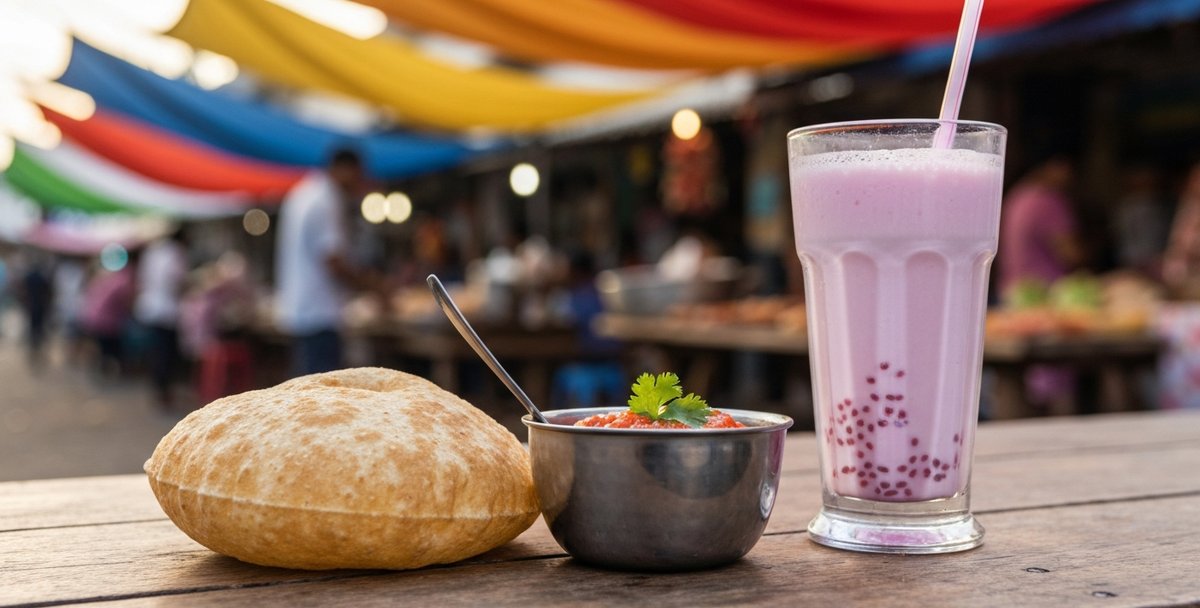
Mauritian cuisine is one of the best reasons to visit. The food reflects the island’s Creole, Indian, Chinese, and French heritage: you can eat dholl puri from a roadside stall for Rs 15, sit down to a French-influenced seafood menu at a beachfront restaurant, or eat dim sum in Chinatown in Port Louis.
Is Tap Water Safe?
Tap water in Mauritius is treated and technically safe to drink. In practice, most visitors and many locals stick to bottled water, especially outside of hotels. Bottled water is cheap (Rs 20–40 for a 1.5-litre bottle in a supermarket) and removes any risk. Avoid ice from unknown sources at very small local stalls, though reputable restaurants use treated ice.
Where to Eat
- For local flavour: Markets and street vendors near bus stations in Port Louis, Mahébourg, and Quatre Bornes serve the best value food on the island.
- For seafood: The western coast (Flic en Flac, Black River) and north (Grand Baie) have excellent beach restaurants. Always ask what the fresh catch of the day is — grilled marlin, calamari, and red snapper are all local.
- For Indian food: The Plaine Verte area of Port Louis is exceptional for biryanis, dhal, and curry. Mauritius has a large Hindu and Muslim community, and vegetarian options are widely available across the island.
- Avoid tourist traps: Any restaurant with photos laminated onto an A-board menu positioned directly outside its front door is likely overpriced. Walk a street or two further.
Alcohol
Beer (Phoenix and Stella Artois are both brewed locally), rum (Chamarel and New Grove are excellent domestic distilleries), and wine are all widely available. Restaurant pricing on alcohol is steep at upscale venues. Supermarkets like Winner’s, Jumbo, and Super U are far better value for takeaway bottles. Alcohol is sold everywhere and there are no restrictions for tourists.
Cultural Etiquette Nobody Mentions
Dress at Religious Sites
Mauritius has a high density of temples, mosques, churches, and shrines across the island. If you visit any of them — and you should, they are genuinely beautiful — cover your shoulders and knees. Many sites require you to remove shoes at the entrance. This applies to all genders.
Particularly worth visiting: Grand Bassin (Ganga Talao), a sacred Hindu crater lake in the central highlands; the Jummah Mosque in Port Louis, one of the oldest mosques in the Indian Ocean; and Père Laval’s Shrine in Sainte Croix, a Catholic pilgrimage site that draws visitors from across the island.
Photography
Most Mauritians are happy to be photographed if you ask first. In markets and busy public spaces, a smile and a gesture toward your camera is usually all you need. Do not photograph inside mosques or temples without explicit permission, and do not point cameras at people in moments of private prayer.
Bargaining
Bargaining is expected at markets and roadside craft stalls. It is not expected in restaurants, shops with marked prices, or when booking transport through a platform — the price you see is the price you pay, which is one of the practical advantages of using a service like Mauritianrides.com rather than negotiating on the kerb.
Greetings and General Etiquette
Mauritians greet people warmly — a simple “bonjour” in the morning goes a long way. Direct eye contact and a calm tone are read as respectful. Raising your voice or becoming visibly frustrated will rarely produce the outcome you want and may cause genuine offence. Things move at a slightly different pace here; adjust your expectations accordingly and you’ll have a far better time.
Safety — What to Watch Out For
Mauritius is one of the safer destinations in Africa and the wider Indian Ocean region. Violent crime targeting tourists is rare. That said, a few things are worth knowing.
Petty Theft
Pickpocketing and bag snatching can occur at busy markets, beaches, and bus stations in Port Louis. Keep valuables in your hotel safe. On the beach, never leave bags, cameras, or electronics unattended while swimming.
Swimming and the Sea
The biggest physical risk in Mauritius is the ocean. Rip currents exist, particularly on the south and east coasts where the lagoon opens to the open sea. Always swim within the lagoon where coral acts as a natural breakwater. Pay attention to beach flags. Several beaches have no lifeguard presence — if in doubt, ask locally before entering the water.
Road Safety
Road accident rates in Mauritius are relatively high compared to Western European countries. Traffic in Port Louis and on the M1/M2 motorway can be fast and assertive. If you drive, be particularly careful at roundabouts and at night. Pedestrians should not assume drivers will stop.
Night Transport
Late-night transport in Mauritius requires planning. Buses stop running in the evening, and finding a taxi outside tourist areas after 10pm can be difficult. If you’re planning a night out — whether in Grand Baie, Flic en Flac, or Port Louis — book your return transfer in advance. Mauritianrides.com handles late-night and early-morning transfers, which makes planning a night out significantly less stressful than hoping to flag something down.
Connectivity — SIM Cards and Wi-Fi
Mauritius has good mobile coverage on the main networks: Emtel, My.T (Mauritius Telecom), and Chilli (Orange). All three sell tourist SIM cards at the airport arrivals hall.
A prepaid tourist SIM with 10–15GB of data typically costs Rs 300–500 and lasts 7–30 days depending on the package. This is the most practical option for navigation, WhatsApp communication with drivers and hotels, and general browsing.
Wi-Fi is available at virtually all hotels and most restaurants in tourist areas. Speed and reliability vary — five-star resorts tend to have robust connections; smaller guesthouses can be patchy. If you rely on a laptop for work while travelling, a local SIM with a data plan is a more dependable option than relying on hotel Wi-Fi.
Packing — What First-Timers Always Forget
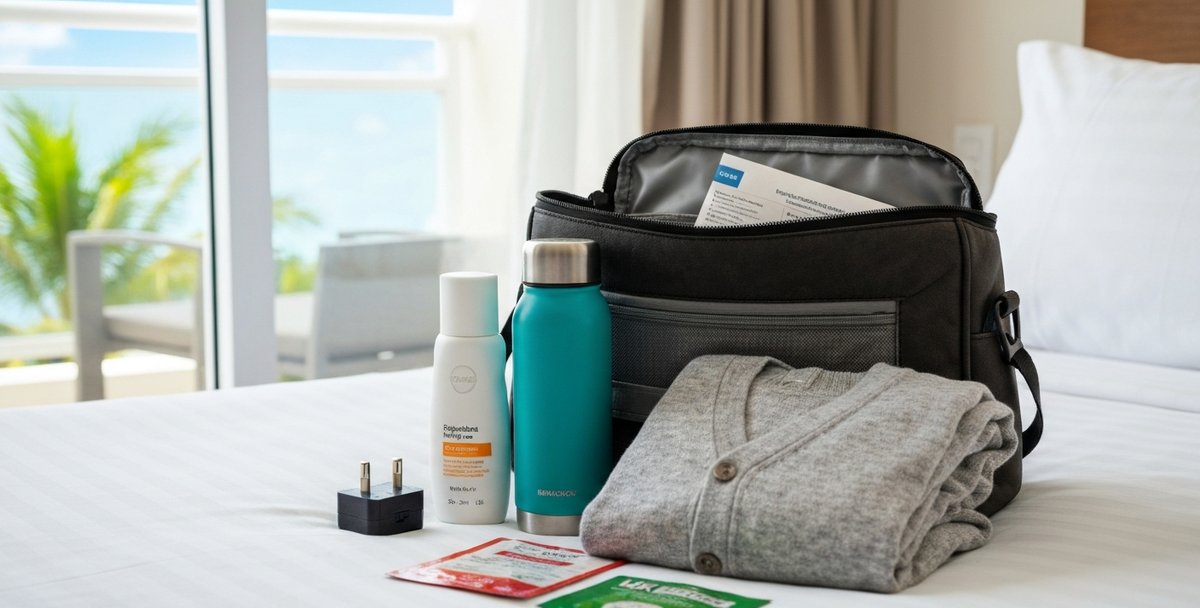
Most packing lists for Mauritius cover the obvious: sunscreen, swimwear, reef shoes. Here is what they miss.
Reef-safe sunscreen. Mauritius does not currently have a formal ban, but many dive operators and boat tours request reef-safe products out of environmental responsibility. Bring it from home — it is harder to source locally and more expensive when you find it.
A light layer for evenings. Even in summer, air conditioning in restaurants and shopping centres is aggressive. A light cardigan or thin long-sleeved shirt is genuinely useful. In winter (June–August), evenings can drop to 18–20°C in the highlands and coast — a light jacket is not excess.
A power adapter. Mauritius uses UK-style three-pin plugs (Type G). If you’re coming from continental Europe, the US, or Australia, you need an adapter. Hotels sometimes provide them on request, but bringing your own is simpler.
A reusable water bottle. Staying hydrated in the heat is non-negotiable, and buying individual plastic bottles every day gets expensive and wasteful. Bring a good insulated bottle and refill from hotel dispensers.
Mosquito repellent. Mauritius is free from malaria, but mosquitoes are present, particularly in the evening in coastal and garden areas. DEET-based repellent is effective. Some resorts use outdoor diffusers and provide coils, but having your own is worthwhile.
A physical copy of key bookings. Mobile data can drop at the airport or in transit. Screenshots or printed confirmations of your hotel, transfer booking, and travel insurance policy save a great deal of panic.
Frequently Asked Questions
Do I need a visa to visit Mauritius? Citizens of most countries, including the UK, EU member states, the US, Canada, and Australia, can enter Mauritius visa-free for up to 60 or 90 days depending on nationality. Your passport must be valid for at least six months beyond your arrival date, and you should carry proof of onward travel. Always check the current entry requirements with the Mauritius immigration authorities or your country’s foreign office before travelling, as rules do change.
Is Mauritius expensive? It depends entirely on how you travel. A budget backpacker can eat, move, and sleep for Rs 2,500–4,000 per day using guesthouses, public buses, and local restaurants. A couple at a mid-range hotel with restaurant meals and occasional excursions might spend Rs 8,000–15,000 per day. Luxury five-star resorts can run to Rs 30,000+ per room per night in peak season. Transport is one of the most controllable costs — planning transfers in advance through a service like Mauritianrides.com avoids the premium you pay for last-minute arrangements.
What language should I speak in Mauritius? English is an official language and is widely understood in hotels and tourist areas. French opens more doors in local markets, restaurants, and with taxi drivers. A few words of Creole (even just “mersi” for thank you) are received with genuine warmth. Do not stress about language — Mauritians are experienced at communicating with international visitors and will find a way to help you.
Can I drink tap water in Mauritius? The tap water supply is treated and monitored, but most visitors choose bottled water as a precaution, particularly outside of five-star properties that often filter water further. Bottled water is inexpensive and available everywhere. It is safe to eat food cooked with local water, brush your teeth, and shower without concern.
When is the best time to visit Mauritius? May to October is broadly the most comfortable period — cooler temperatures, lower humidity, and reliable sunshine on most of the island. July and August are peak season (and most expensive). If you want warmth, water sports, and to avoid crowds, late April through June and September through October are sweet spots. Avoid January to March if cyclone disruption would ruin your trip, and ensure you have cancellation and curtailment cover if you travel in this window.
How do I get from the airport to my hotel without stress? The most reliable method is to pre-book a transfer before you land. Mauritianrides.com allows you to book an airport pickup with a verified driver who will meet you in the arrivals hall with your name displayed. Given that the airport is 40–55 kilometres from most of the island’s resorts, and that landing tired after a long-haul flight then trying to negotiate a taxi price on the kerb is nobody’s idea of a holiday start, this is one booking worth making before you travel.