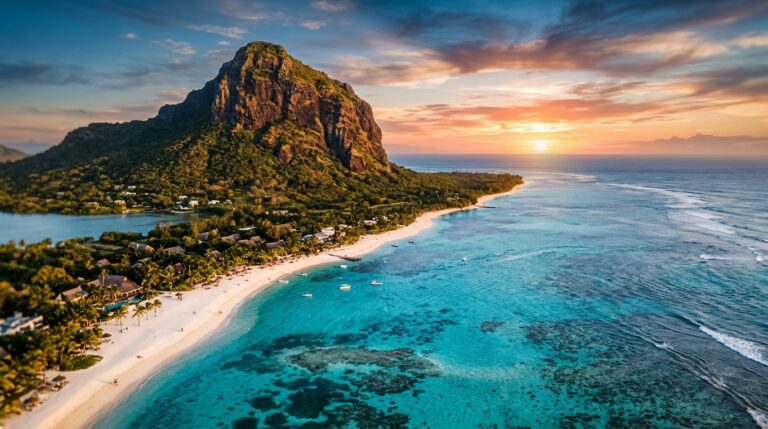
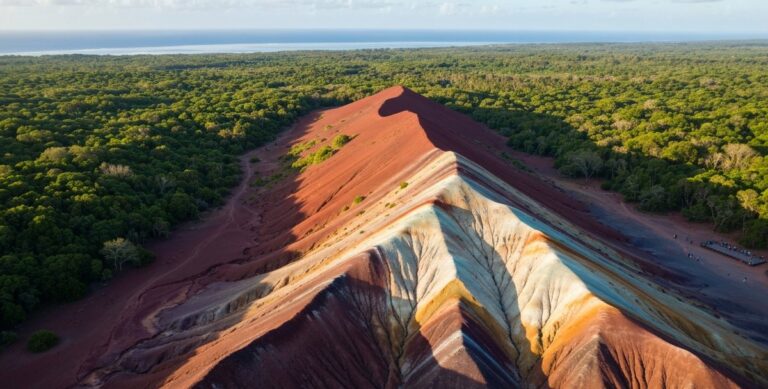
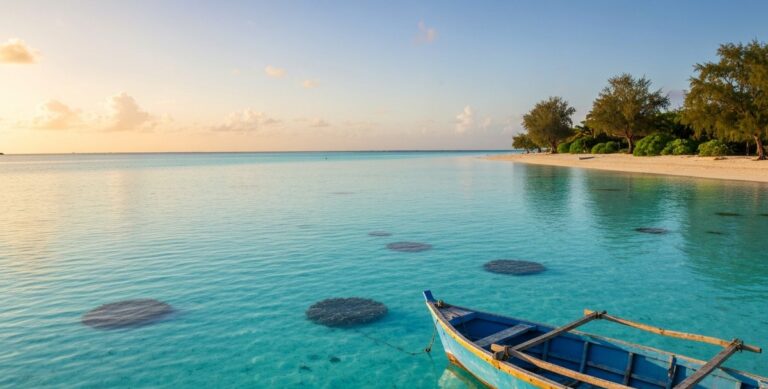
The Mauritius east coast stretches from Poste de Flacq down to Mahébourg, encompassing the island’s most celebrated lagoon beaches, its largest open-air market, and the world-famous sandbar islet of Île aux Cerfs. It is the sunniest side of the island year-round, sheltered from the trade winds that batter the south, making it a reliable choice for beach holidays at any time of year.
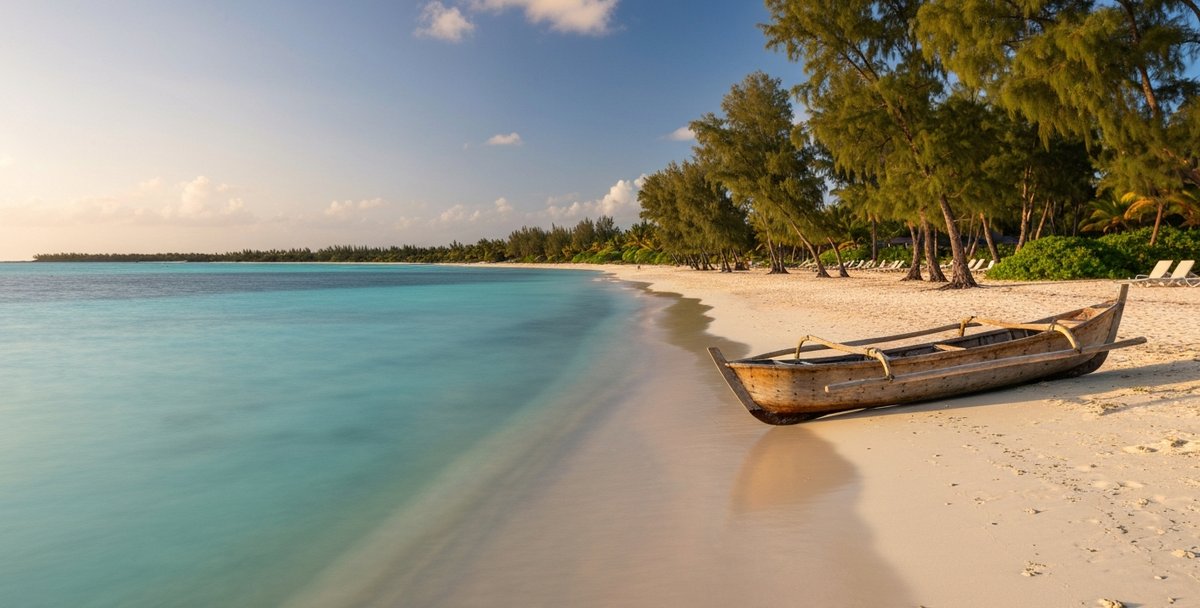
Table of Contents
- Why Visit the East Coast?
- Key Towns and Distances from Port Louis
- Belle Mare — The Crown Jewel
- Flacq — Market Town and Local Hub
- Île aux Cerfs — Day Trip to the Sandbar
- Palmar and Trou d’Eau Douce
- What to Do on the East Coast
- Where to Eat
- Getting to the East Coast
- FAQ
Why Visit the East Coast?
The east coast is Mauritius in its most postcard-perfect form. The lagoon here is protected by one of the longest barrier reefs in the Indian Ocean, which keeps the water calm, warm, and an almost implausible shade of turquoise. Unlike the more developed north around Grand Baie, the eastern villages have retained a quieter, more residential character. You get luxury resorts and excellent restaurants alongside fishing pirogues, family-run snack bars, and the sprawling Flacq market that feels entirely removed from the tourist trail. If you are after white sand, calm water, snorkelling over coral gardens, and an excursion to Île aux Cerfs, the east coast is where you want to spend your time.
Key Towns and Distances from Port Louis
The east coast is easy to reach from any point on the island. Port Louis sits on the north-west, so the most common route runs through the Motorway M2 and then down the east coast road (the B28 and its connecting routes).
| Town / Beach | Distance from Port Louis | Approx. Drive Time |
|---|---|---|
| Flacq (Centre de Flacq) | 42 km | 45–55 min |
| Belle Mare | 46 km | 50–60 min |
| Palmar | 43 km | 45–55 min |
| Trou d’Eau Douce | 40 km | 40–50 min |
| Mahébourg | 51 km | 55–70 min |
From Sir Seewoosagur Ramgoolam International Airport, which sits on the south-east corner of the island, Belle Mare is only about 28 km — roughly 30 minutes under normal traffic. This makes the east coast one of the closest beach destinations to arrivals, which is part of its appeal for resort guests.
Belle Mare — The Crown Jewel
What Makes Belle Mare Special?
Belle Mare is widely regarded as having the finest stretch of public beach in Mauritius. The beach runs for roughly 3 km, with fine white sand that stays clean and uncrowded compared with Flic en Flac or Mont Choisy. The water is shallow for a considerable distance out, which makes it ideal for families. Behind the beach, casuarina trees provide shade and break the wind.
The village itself is small — a petrol station, a few snack shops, and the entrances to the major resorts. There is no town centre as such, but that suits the mood. You come here to be on the beach, not to browse shops.
The Public Beach Access
Belle Mare’s public beach (often marked simply as “Belle Mare Beach”) is accessible via a right turn off the B28 coast road. Parking is available on the roadside, and there are basic facilities including food stalls that set up on weekends. During the week, you can have long sections of the beach almost entirely to yourself.
Resorts Along Belle Mare
The stretch from Belle Mare south through Palmar is lined with five-star properties: The St Regis Mauritius, Constance Belle Mare Plage, Solana Beach (now rebranded), and several others. These resorts occupy long sections of the beach but are legally required to keep a public access corridor — though in practice, finding where that corridor begins can take a little local knowledge.
Flacq — Market Town and Local Hub
Centre de Flacq Market
Centre de Flacq hosts the largest open-air market in Mauritius, held every Sunday morning and on Wednesday afternoons. The market is a proper local affair — vegetables, spices, second-hand clothing, household goods, street food — with none of the tourist-price inflation you encounter in the souvenir shops of Grand Baie. Prices are quoted in rupees to locals and to you equally. A bag of lychees in season, fresh curry leaves, a string of dried chillies, or a packet of dried lentils cost a fraction of supermarket rates.
The market spills across a large covered area in the town centre, roughly 2 km inland from the coast. It gets extremely busy between 7am and 10am on Sundays; arriving early means better produce and easier navigation.
Flacq Town
Beyond the market, Flacq is a working Mauritian town with banks, pharmacies, hardware shops, and takeaway food counters. It is the administrative centre of the district of Flacq, which covers the entire east coast region. If you are staying in a self-catering villa on the coast and need supplies beyond what the small beachside snack shops carry, Centre de Flacq is your best option.
Île aux Cerfs — Day Trip to the Sandbar
What Is Île aux Cerfs?
Île aux Cerfs is a small uninhabited island — or rather, a cluster of sandbar islets — sitting in the Trou d’Eau Douce lagoon, about 1 km offshore from the village of Trou d’Eau Douce. The name translates as “Island of Deer,” a reference to the deer that French colonists once kept there. Today it is managed as a leisure destination, with a golf course, beach bars, watersports facilities, and a network of sandy beaches that rank among the most photographed in the Indian Ocean.
The island is accessible only by boat. There is no bridge. The boat crossing takes around 10 minutes from the Trou d’Eau Douce jetty.
How to Get the Boat
Boat operators line the jetty at Trou d’Eau Douce from early morning. The standard arrangement is a return ticket for around Rs 400–600 per person, with the boat waiting on the island and returning at an agreed time. You can also arrange a full-day glass-bottom boat excursion that includes snorkelling stops and sometimes lunch, typically priced between Rs 1,200 and Rs 2,000 per person depending on whether meals and equipment are included. Booking through your hotel reception is convenient but usually carries a mark-up; negotiating directly at the jetty is perfectly normal and acceptable.
What to Do on Île aux Cerfs
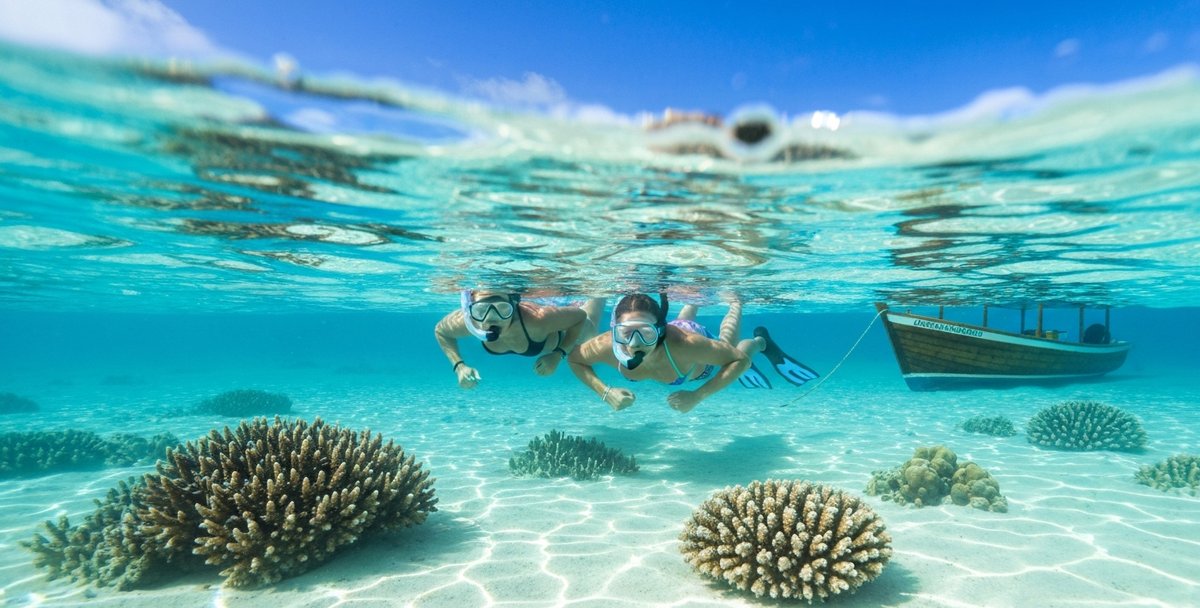
The main activity is beach and lagoon. The water around the island is extraordinarily clear, with coral gardens visible in the shallower sections. Watersports on offer include parasailing, waterskiing, paddle boarding, and snorkelling with equipment hire available on the beach. The golf course (18 holes, managed by the Ile aux Cerfs Golf Club) is considered one of the finest in the region, with fairways running alongside the lagoon.
There are several beach bars and restaurant areas serving grilled fish, seafood platters, and the ubiquitous dholl puri and gateau piment. Prices are predictably higher than on the mainland — budget Rs 600–1,200 for a simple lunch with a beer.
The island gets crowded on weekends and during peak season (July–August and December–January). Visiting on a weekday gives you noticeably more space.
Palmar and Trou d’Eau Douce
Palmar Beach
Palmar sits between Belle Mare and Trou d’Eau Douce. Its beach is slightly narrower than Belle Mare’s but equally clean, and the village has a more lived-in character with a handful of restaurants and small guesthouses that cater to independent travellers rather than resort guests. The beach at Palmar is a favourite with locals on weekends, particularly families, which gives it an informal, pleasant atmosphere.
The reef here is close enough to the shore that you can snorkel directly from the beach at high tide without a boat. A wide sandy bar extends into the lagoon and is safe for children to wade far out.
Trou d’Eau Douce Village
Trou d’Eau Douce (the name means “fresh water hole,” referencing a spring that once existed here) is the jumping-off point for Île aux Cerfs. The village has a pleasant waterfront lined with boat operators, a few restaurants, and the local fishing community going about their morning work. It is worth arriving slightly early for the Île aux Cerfs crossing to grab breakfast at one of the small cafes on the seafront.
What to Do on the East Coast
Snorkelling and Diving
The barrier reef running parallel to the east coast creates a protected lagoon with excellent visibility and healthy coral. Dive operators based in Belle Mare and Palmar offer guided reef dives from around Rs 1,500–2,000 for a single tank. Snorkelling directly from the beach is free and productive in the shallower parts of the lagoon.
Kitesurfing at Palmar
The consistent south-easterly winds that blow from May to October make Palmar one of the best kitesurfing spots on the island. Several schools operate on the beach offering lessons (typically half-day packages starting around Rs 4,000) and equipment hire for certified riders. The lagoon’s flat water makes it forgiving for beginners.
Catamaran and Speedboat Excursions
Full-day and half-day catamaran excursions depart from Trou d’Eau Douce, Belle Mare, and further north. These typically combine Île aux Cerfs with snorkelling stops over coral gardens and sometimes a visit to the underwater waterfall optical illusion off the south coast. Prices vary significantly by operator and inclusions — expect Rs 1,800–3,500 per person for a full-day trip with lunch.
Quad Biking and ATV Tours
Several operators in the Flacq district run guided quad bike tours through sugarcane fields and the low hills that roll behind the east coast. It is one of the more popular inland activities in this region, appealing to families with older children and couples looking for something active. Tours typically run for 1.5 to 2.5 hours and cost around Rs 1,200–2,000 per person.
Coastal Cycling
The B28 coast road and several parallel tracks through Palmar and Belle Mare are pleasant for cycling. Some guesthouses and a few dedicated hire shops rent out bicycles by the hour or day. Traffic is light compared with the north and west, making this a realistic option for a morning or late-afternoon ride.
Where to Eat
The east coast has an interesting food scene that ranges from proper resort dining to very good local snack bars that most tourists never find.
Local Options
La Chaumière (Belle Mare area) is a long-standing lunch spot popular with locals working in the resort industry — a reliable indicator of quality and price. A plate of fried fish with rice, rougaille, and a cold Phonix lager will cost around Rs 300–450. Dholl puri and roti vendors park along the coast road from around 6am; a dholl puri costs Rs 15–25.
In Flacq town, the market snack stalls are among the cheapest eating on the island on market days. Grilled corn, samosas, and mine bouilli (noodle soup) are all available at street-food prices.
Restaurant Dining
The resorts open their à la carte restaurants to non-guests, though reservations are generally required and the pricing reflects the surroundings — expect Rs 2,000–5,000 per person for dinner at a resort restaurant. If you are celebrating a special occasion, the setting (beachfront tables, trade-wind evenings, stars) justifies the spend. For everyday meals, the local restaurants in Palmar and Trou d’Eau Douce deliver excellent value.
Getting to the East Coast
From Port Louis
The M2 motorway runs east from Port Louis through Plaine Magnien before connecting to the coast roads. The drive is straightforward and, outside of morning and afternoon rush hours (roughly 7–9am and 4–6pm), takes about 50–60 minutes to Belle Mare. There are no direct buses from Port Louis to the beach villages that would be practical for tourists carrying luggage or arriving at irregular hours.
From the Airport
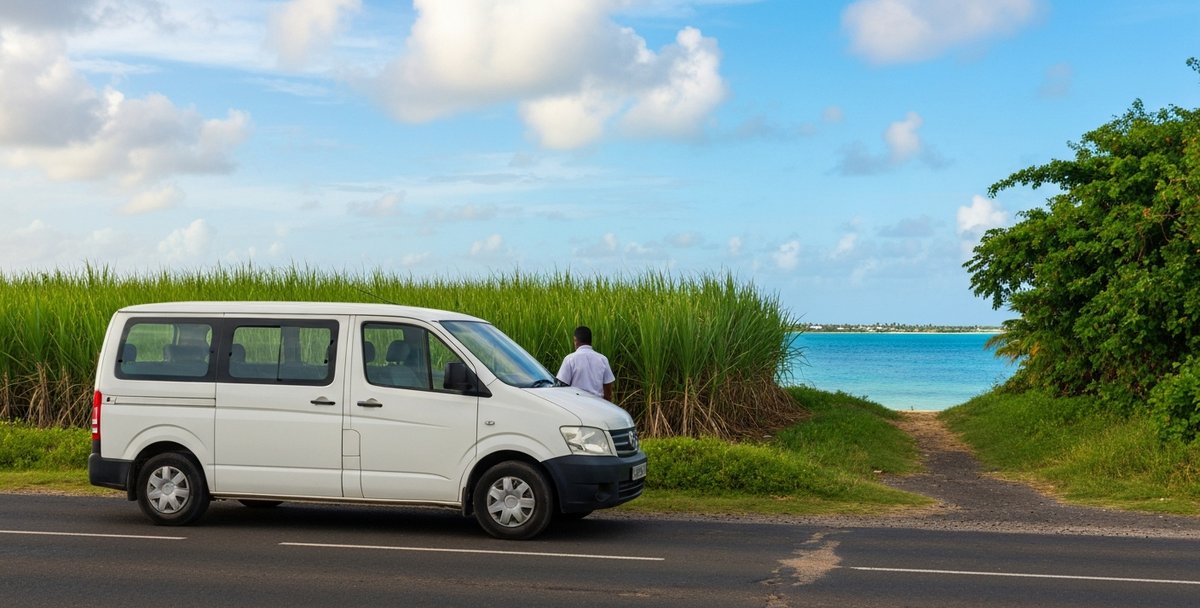
SSR International Airport is on the south-east of the island, which puts it roughly 28–35 km from the east coast hotels. A private airport transfer arranged through mauritianrides.com is the most sensible option — the journey takes around 30–40 minutes, the driver meets you in arrivals, and the fare is agreed in advance so there are no surprises. Approximate transfer prices from the airport to the east coast run from Rs 1,200 to Rs 2,000 depending on destination, time of day, and vehicle type.
Getting Around Between East Coast Villages
The villages of Belle Mare, Palmar, and Trou d’Eau Douce are spaced 4–8 km apart along the coast road. Taxis are available but not always waiting at the roadside — you typically need to call one or arrange through your hotel. Booking a driver for a half-day through mauritianrides.com gives you the flexibility to move between beaches, visit the Flacq market, and reach the Trou d’Eau Douce jetty for the Île aux Cerfs crossing without the overhead of haggling individual fares each time.
Getting to Centre de Flacq
Centre de Flacq is 4–6 km inland from the coast and is not within easy walking distance of any of the beach villages. If you want to attend the Sunday market, plan for a taxi or pre-booked driver. A return taxi from Belle Mare to Flacq market and back would typically cost Rs 600–900, depending on waiting time.
FAQ
Is the east coast good for swimming year-round?
Yes. The east coast is generally the safest and most reliable swimming destination on the island throughout the year. The barrier reef keeps the lagoon calm even when swells hit the north and south. Between May and October, south-easterly trade winds do create some surface chop further out, but the inner lagoon remains sheltered. Water temperatures stay between 22°C and 29°C throughout the year.
How do I get to Île aux Cerfs without a tour?
Take a taxi or pre-booked driver to Trou d’Eau Douce village, walk down to the jetty, and negotiate a return boat ticket directly with the operators on the waterfront. A return crossing is around Rs 400–600 per person and takes about 10 minutes each way. There is no need to book a packaged excursion unless you want the guided elements such as snorkelling equipment, lunch, or a glass-bottom boat.
Is the Flacq market worth visiting if I am not buying produce?
Absolutely. Even as a non-purchasing visitor, the Flacq Sunday market is one of the most authentic local experiences on the island. The scale of it, the variety of goods, the crowd, the smells from the food stalls, and the complete absence of tourist pricing make it a worthwhile half-morning outing. Bring cash in small denominations, wear comfortable shoes, and arrive before 9am for the liveliest scene.
What is the best time of year to visit the east coast?
October to April (the Austral summer and Mauritian summer) brings the warmest temperatures and the calmest seas, though it also includes the cyclone season between January and March. July and August are peak holiday months — school holidays in both Europe and Mauritius — which means higher prices, more crowds on beaches, and fully booked accommodation. If flexibility is possible, May to June and September to October offer a good balance of pleasant weather and manageable crowds.
Are there public beaches near the luxury resorts?
Yes, by Mauritian law all beaches are public. The resorts sit on the beachfront but cannot legally block access to the foreshore (the strip of beach between the high-water mark and the sea). In practice, finding the access points requires some navigation; the clearest public access points on the east coast are at Belle Mare village beach and at Palmar near the centre of the village. The public sections are well-maintained and the sand quality is identical to what you find in front of the five-star properties.
How much does a taxi cost between east coast villages?
Short inter-village trips (for example, Belle Mare to Palmar or Palmar to Trou d’Eau Douce) typically cost Rs 400–700 for a standard taxi. If you plan to make several stops in a day — beach in the morning, Flacq market, then the Île aux Cerfs jetty — it is more economical and more practical to book a driver for a half-day through a platform like mauritianrides.com, which gives you a fixed price and a driver who waits for you at each stop.